Wastefulness

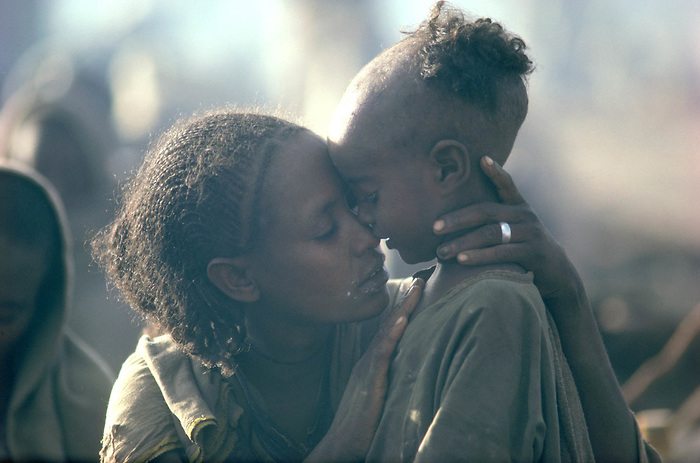
It is a waste to use food to drive cars. It is a waste to use 10 kg of grain to produce 1 kg of meat. A food system that focuses on profits, rather than the health and wellbeing of people or the planet, will waste not only food, but also people and the planet. Indeed, half of India’s children are so severely malnourished that they are technically described as wasted. And, according to the FAO, the 70 percent of food not wasted but doused in pesticides costs $350 billion in health treatment every year: a waste of money.

— Vandana Shiva, Who Really Feeds the World?

When it was time for the annual payment for my domain name this year, I realized how I had wasted so much time instead of putting down some of my many thoughts on this blog, and I wondered if I was going to make a commitment this year and if it was going to be worth making the payment again. I decided to give it another shot.

Earlier today was Black Friday, which is related to the topic of today’s post: it is a day that was anticipated in the US in the last few weeks, but turns out to be just as popular here now that I am back in Istanbul. On my personal social media feed, there is just as much talk about the nature of consumerism & capitalism on Black Friday, sometimes referred to as Just Friday or Green Friday to encourage less wastefulness and mindless shopping. I am definitely in favor of not being an unconscious consumerist but I am not going to lie: I have bought two things today, one definitely on offer due to the big sale, and a second item that I tried to purchase through one of the main websites offering sales, then somehow ended up on a website that was not offering a sale but happened to have just that item on sale. The first one is something I have used and liked before — an eyeliner, from a brand that doesn’t test on animals and is mostly plant-based so there’s a win there at least — and I am happier paying less for it, and the second item is a cast-iron stove top toaster. Our toaster has been broken for months and I was happy to find this healthier & more reasonable alternative to the non-stick PTFE coated electronic one we had.

Before I get more into the matter, which is going to be more of a reflection and self-assessment than solid advice to anyone, I want to mention a quick story. Over a month ago, while in Michigan following my mother-in-law’s passing, we had several close relatives visit us and after they left, there was an abundance of food, most of it takeaway, that I was not going to be able to finish. So instead of waiting for them to spoil, or throwing them in the trash as is, once again reminded of the amount of waste that occurs in a city, I decided that I was going to leave it out for the squirrels. They had come and eaten the leftover kalamari I had left out the other day without anyone noticing, so surely they’d do the same this time. Except when I came home later in the evening the food was still there, and at 1 a.m. in the morning, I started to smell skunk and hear funky noises. I was petrified of looking outside the terrace door. When I took a quick peek, I definitely saw a skunk around the food but I was confused as to why it didn’t sound happy. When I gathered up the courage to take a second look, there was a possum circling the skunk and it was like watching a horror movie. Now you might be wondering why I was so scared of wild animals fighting right outside our terrace. Actually, I was panicking more at the footsteps I could hear from our upstairs neighbor who kept opening and closing her terrace door, clearly aware of what was occurring. I was so embarrassed, I kept praying that God would ‘inspire’ the animals to go away immediately! Of course that didn’t happen until the food was finished, and according to my husband who stayed up after me, that lasted at least another hour of battling (he said two hours but I am assuming he was exaggerating). The first thing I did in the early morning was to get rid of any remaining evidence and vow that I would never leave out food again. Oh, and just a note on the kalamari from the first time — it might not have been an innocent squirrel after all because there was a souvenir of poop right next to the finished food tray, and do squirrels even eat kalamari? I guess not. Hey, I am from Cyprus after all and we don’t have squirrels over there.

© Pomegranate Blossoms

Anyway, back to the topic of wastefulness. I guess I’ve been aware of the concept of wastefulness from my upbringing. My parents’ Shaykh was very big on finishing what is in our plate, which might seem contradictory to the discouragement of over-eating but may teach the person to take only as much as they’ll be able to finish in the first place. Composting is not an issue in our large garden back in my family’s home; something I struggle with in the city and have yet to find a solution for. My family have had cats forever and they help with leftover food, and the chicken help with the food scraps from the compost. Most of the contents of my trash bin are food scraps i.e. vegetable peels, inedible leaves etc., mostly from pesticide-free sources and it makes me sad to waste them when they could turn into such beautiful soil. There is actually a plot of empty land near my house, but I am hesitant to compost anything there even if in a discreet corner in case I am accused of emptying trash which has happened before when I tried to tell my neighbor who has chicken that her animals might make use of them; they like bulgur better apparently. (Yes, we have chicken roaming our in-the-middle-of-the-city neighborhood but I still can’t compost or garden here because I don’t have the guts and the courage/time to put up with defending my cause especially somewhere that isn’t my personal property).

O Children of Adam! Wear your beautiful apparel at every time and place of prayer; eat and drink; but be not wasteful for He does not love those who are wasteful. (7:31)

Wastefulness is strongly discouraged in the Islamic Tradition and from many examples set by the Final Prophet ﷺ. We are encouraged to not waste water during ablution, just like when we are brushing our teeth and we are told not to leave the water running, even if we were to be by a running stream of water.

The Messenger of Allah, peace and blessings be upon him, passed by Sa’d while he was performing ablution. The Prophet said, “What is this excess?” Sa’d said, “Is there excess with water in ablution?” The Prophet said, “Yes, even if you were on the banks of a flowing river.”

— Source: Sunan Ibn Mājah 425

This teaching doesn’t stem from fear of exhausting resources, but rather it is based on respecting resources, the blessings that have been favored upon us as partakers on Earth with many other creatures, and not as the owners whose greed, disrespect and wastefulness has lead to the depletion of resources as well as our own oppression.

I like to think throughout my day, what the impact of my actions will be, and that includes what I am about to throw in the trash. At times it teaches me that I didn’t make good use of something that I could have dedicated more time and appreciation to before they spoiled, (maybe some excess veggies that I could have fermented or greens that I could have bothered to include in the salad) and that maybe next time I need to order less produce, or I need to waste less time procrastinating. At most other times, I am hopeless and just hope that they end up somewhere good. Whatever that means. Hopefully just in the landfill in the country I live in, or do they burn them and how much does that impact air pollution? — and I realize that that is not ideal, but maybe better than ending up in another country, or in the sea. I do separate my recyclables, and even though I see the local ‘çekçekçi’ picking them up, I still wonder what happens to everything. I’ve asked one of them if my separating them from the rest of the trash is helpful to their job at all, and he said it was.

Earlier today, I sorted through my kids’ clothes and I put together a couple of boxes; one for clothes that are now too small on my oldest as well as middle, and that my youngest will eventually be able to wear, and another set of clothes that are too small on my youngest and that I could make use of for our next baby (not expecting at the moment) or can pass onto a friend with a new baby. I would like to think this was one way of pushing back against wastefulness.

Another important consideration is where that blessing (food, clothing, toy, water, air) came from in the first place; first and foremost from the Most Generous, the Sustainer, the Provider, and then from a seed, from hardworking farmers, sewers, maybe not so fortunate factory workers… This type of consideration ought to make you think twice before you decide to waste something. It also leads to feelings of gratitude.

I am not satisfied with this level of wastefulness though, and even referring back to the quote from Vandana Shiva, whom I admire and who made me think of wastefulness even more, I get a lot of my food in Istanbul via delivery because that’s the only way I can access organic, wholesome and real produce in the middle of Istanbul. (No, I can’t just grow tomatoes on my windowsill. I have tried.) If I had to be kinder to myself, I could argue that it comes from one farm. I know the source, I know the workers are treated ethically, and I am not supporting large scale agriculture. I guess I am trying to find a balance in an imbalanced world. Ideally I would be growing my own food and having my own animals, both for agriculture as well as a food source, and I would have a clean water source near by, and I would use my own physical strength to obtain it all, or at least team up with a few others. If 2020 taught me anything, it is that I can’t live in a city for much longer. I might not be able to pursue a full-on off-grid lifestyle, but we need to live a more sustainable lifestyle, which is not only more safe and secure, but also less wasteful and better for our physical and spiritual health. I would say that as a family we are heading in that direction, at least in intention which is the first and most important step in any given task, but for now I will have to do with conscious decisions from a set of limited options in a metropolis.
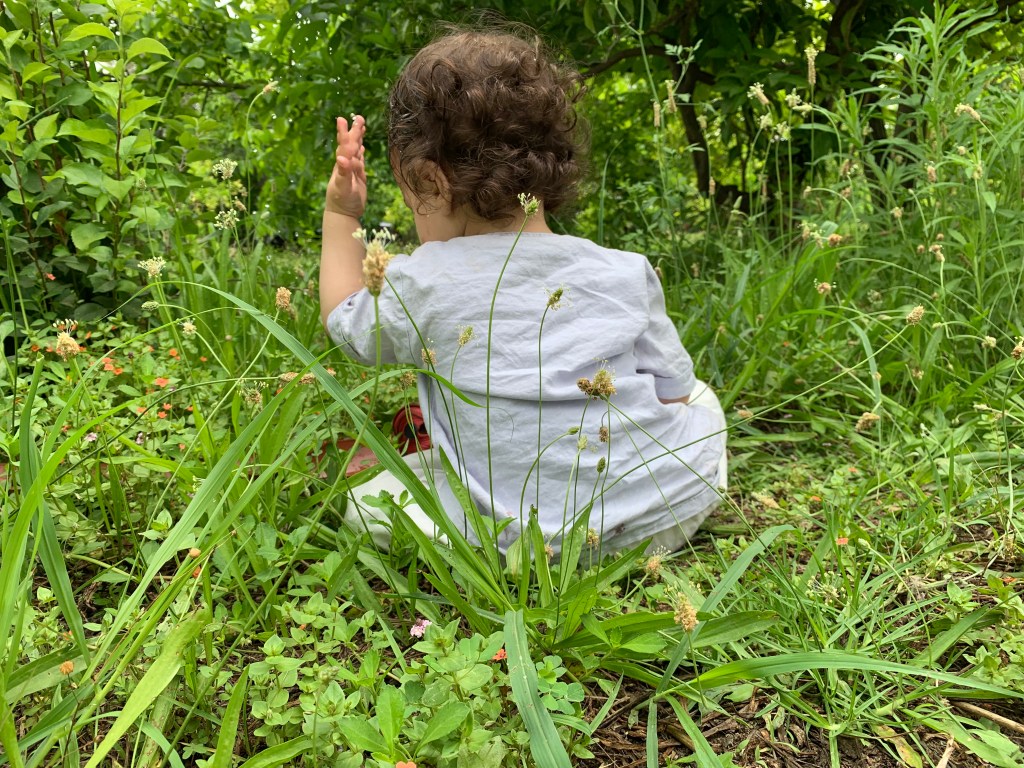
© My Abubakr in the Garden

Gratitude & Breaking the Parenting Cycle

Beautiful Islamic Calligraphy by Turkish calligrapher Hanifi Dursun (Instagram @hanifidursunn); ”Heaven lies at the feet of your mothers.” — Prophet Muhammad ﷺ

In the Qur’an, in Surah Luqman verse 14, we are enjoined to give thanks to God, and to give thanks to our parents immediately thereafter. It is as though they go hand in hand.

Some of us are blessed with supportive, truly loving parents who tried, to the best of their ability and knowledge at the time, to raise us as balanced, righteous individuals. We felt their genuine love & protection and no amount of due thanks is sufficient. On the other hand, some others may not have felt the same amount of love and support, while others are neglected, guilt tripped, black mailed, manipulated, and even abused, emotionally or physically, by the very people who were responsible for their protection & nurturing. I can’t speak for those individuals as I can’t understand their pain, nor am I a counsellor. All I can say is that one thing is clear; they were not in any way responsible for their mistreatment.

Even with parents, we have to set boundaries if there is harm involved. In Islam, respect to parents and their good pleasure is invaluable but this does not include obedience in things that are forbidden in the religion and therefore displeasing to God, and it does not include unhealthy relationship dynamics that hurt you in any shape or form. It has to be solved, either through honest dialogue or through distancing and protecting yourself if there is no other alternative. For people who have had severely hurtful experiences, I pray to God that He nurtures your heart with His love and care and fills it with serenity. Some things you may consider doing is reading His 99 Names and reflecting on their meanings. He is our true Guardian, Giver of Peace, Bestower of Favours, the Most Appreciative, the Most Loving and Gentle, our Guide. Send abundant salawat (prayers) on the Prophet Muhammad, who cared about us before he could meet us more than anyone you can imagine, and reflect on how with every salawat we draw nearer to him & we receive tons of blessings. Reflect on what those blessings could be.. protection, healing, peace. Our Prophet cares deeply for each and every one of us. He prayed for us at each prayer. Your salawat on him is a means of prayer for him and just like praying for anyone else brings you closer to that person, praying on the Prophet brings you closer to him.

Going back to most relationships with parents, even with healthier dynamics, we’ll have clashes from time to time. We are unique individuals from different generations. There may be generational trauma that your parents carried with them and things they may have gone through that will inevitably reflect on you. In the Book of Assistance, Imam al-Haddad cautions parents to be easy on their children. If we are parents ourselves, we need to reflect on how we can form a healthier, safer bond with our children without driving them away and without abusing our rights over them. Reflect on your upbringing and use it as a tool to do better yourself, to improve yourself, and to break the cycle instead of putting all your energy towards blaming your parents for their shortcomings and the impacts of those shortcomings on you. This will come in handy even if you are not a parent and don’t plan to be because –v whether we like it or not – we are impactful individuals, and even if our time here is temporary, our impact will carry on for longer after we have passed on. We have relationships outside of our families with other people, and most importantly we have our inner personal relationship that dictates our own happiness & felicity.

When we shift focus to our parents’ sacrifices, praiseworthy aspects and give thanks as the Qur’an orders the believers to do, we’ll experience a lot more tranquility. Remaining patient in the face of some disagreements or disagreeing respectfully, trying to maintain close ties with them and even helping our parents (physically as well as spiritually) is not always easy but it’s not necessarily meant to be. If not physically, it can take a mental toll but remember Allah’s pleasure and that this is a means of drawing nearer to Him. Attaining their pleasure is attaining the pleasure of God, and even when we have tried really hard and they do not seem appreciative, remember ash-Shakur, the Most Appreciative.

Raw Motherhood

I am a mother of three as of recently, and I frequently get asked how it is managing three young children. The assumption is that the more of them there are, the harder it gets. That’s true in some ways. However, I would argue that having one was harder for me.

Usually when I put the kids to sleep, the arrangement is as follows:

I co-sleep in a single bed with 1-month old Fatima, 2 year old Abubakr is in a crib with the narrower side attached to my bed, and 3.5 year old Zaynab is in the other single bed beside mine and she usually sleeps with her aunt.

This will change once I go back to Istanbul to our own home but for now while my husband is away in the US and I’m with my family in Cyprus, our arragenment is as such.

Tonight, the arrangement was slightly different. Their aunt was busy so she didn’t participate in the bed time ritual (which includes story telling and then a semi-long religious litany and waiting for all the kids to sleep before sneaking out of the room). Fatima happened to be asleep downstairs in the living room. So Abubakr, who is always eager to sleep beside me instead of the crib, lay next to me and Zaynab laid down in her own bed. By the time I finished the litany, Abubakr was asleep. Zaynab by that point asked me to sleep next to her, so I did. I whispered some more litanies, and she fell asleep facing me, with her hand in mine. In the meanwhile, I began reflecting on something that I frequently remember: how much harsher I was to her as a younger toddler in comparison to her brother. It kills me because I can’t ever undo those moments. I never realized in those moments how small she was, how vulnerable, fragile. I only realized as she grew older and I could compare her to her younger brother. When I had my first child, everything changed. Everything. And probably for good. I was no longer able to do very basic things on my own without having to put another person into account. There was now this human being who literally depended on me for survival. Add to that insufficient socialization with other humans and lack of support. I won’t forget this one time at nap time where she was 13 months old, and I was about 4 months pregnant. I was nursing her and hating every minute of it because I couldn’t stand physical touch during pregnancy. She was taking a long time falling asleep – you have to understand, nap time and night time is like your time off – and I just lost it. I started yelling at her, telling her to shut her goddamn eyes and handling her very roughly. Imagine someone is hugging you and then all of a sudden they start to give you a rough shake. (Makes me sick of myself just thinking about it). Still half-nursing, she began crying, obviously. It was a painful cry. She must have been so confused. I don’t remember the details but I think she fell asleep finally because I remember quietly walking out of the room and hugging my husband who was approaching me in the hallway and I broke down crying because of how horrible I felt about having lost control of myself and hurting this child that I would die for. That’s when I decided I had to wean her because I didn’t want to feel resentment during an act that’s supposed to be an act of love and nurturing. My point of mentioning this is not about how pregnancy makes you feel sensitive or whatever and how you should handle those feelings. The issue here was not simply that. These types of moments were the result of a build up of underlying emotions, exhaustion, lack of support, lack of spiritual and physical nourishment. A lot of possible issues. And of course lack of understanding on how to deal with this little human being, because it was my first time and my life was forever changed. I had so much more patience with my second child in comparison to my first – maybe because we had a different structure as a family with where we were at in our life, having moved closer to my family, taking care of myself better and so on – but I think having had that experience already and this second child not making my already-mom life a whole lot more different played a major role too.

I’m never going to not feel regret over those ignorant and weak moments and I can’t help but think of how painful and possibly scary it must have been for a little child whose entire life revolved around me but I find comfort in that those moments didn’t and don’t make up the majority of my child’s upbringing. She is loved; she knows it and she feels it. Children are also incredibly forgiving, which is painful to think about, yet heartening.

I want to wrap up by mentioning two things:

A while back, I read something that really stuck with me. I don’t remember the author or where I read it, but it was about the most impactful moments in a child’s day. How they wake up, or rather what they wake up to, their nap time, and their bed time. So I try to really be careful in those moments (not that they nap anymore); to really be present with them, not to be caught on my phone the moment they wake up, greeting them with enthusiasm, kissing them, using a gentle tone, and likewise in the evening. In other words, making them feel safe and look forward to the day and the next day.

Finally… I read this hadith today which I had read before but hadn’t ever really reflected on and intended to act upon:

Narrated by Abu Dharr, the Messenger of Allah (ﷺ) said to us: When one of you becomes angry while standing, he should sit down. If the anger leaves him, well and good; otherwise he should lie down. (Sunan Abi Dawud)

Let’s be real. I still get angry from time to time and snap at the kids, especially on stressful days. So inshaa Allah, my intention is to remember the advice of our Prophet next time I feel my anger may overcome me.

.

.

.

See you tomorrow.

BUR8411-EthiopiaMotherLR
© David Burnett –  Ethiopia 1984

Tastes Like Fall

fallgroceries

Here in Istanbul, we went through a very short and deceiving phase of freezing weather all of a sudden at some point back in September. Then all of a sudden it was really warm again, and all of a sudden I realized that maybe I had taken out the winter clothes a little too early. The good thing though is that I am at least organized for the winter now, washed everything, gave away what is probably unnecessary and still in good shape, and also got really confused in the process about why nothing is fitting my daughter. She must have had a growth spurt over the summer, because even pants that fit her a few months ago are now uncomfortable. I do forget she’s turning 4 very soon.

So I have been ordering most of my groceries from an organic farm in a village a few cities away for the last 2.5 years or so, and obviously everything is seasonal. So you’re not going to find eggplants and cucumbers, for example, in the winter. I find that by the end of a season, I am really looking forward to what the next season has to offer. So last week was the first week I had my first ‘fall’ delivery, and I was so excited to finally prepare some beet root, spinach, cabbage and whatnot for the week ahead. Of course there’s still some ‘summer’ staples available, like grapes and figs, but Fall is finally coming through.

I am not going to be sharing any recipes, but I want to give a few quick ideas on what you can do with some of the seasonal vegetables I got last week and what I did with them myself.

Also, a note on eating seasonally… I know in some countries you can still find fruits and vegetables that are out of season but are still produced without hormones and pesticides, usually shipped in from other countries or states. However, eating seasonally is ideal because foods that are in season correspond to what our bodies need the most during the current season. Have you ever craved watermelon on a cold winter day?

Other than crunching on most of the cauliflower head just straight up raw (my kids love raw vegetables but once they’re cooked… it’s a battle), we made it into a low carb cauliflower ‘mac ‘n’ cheese’. Honestly I prefer it just roasted until really tender, but it was going to be the main dish rather than a side dish that day so I had to be more creative. I usually roast beet root before storing to use in salad mostly, but I ended up boiling them instead – without removing the skin – and storing them in the fridge. Every time I make salad, I cut some into the salad, or I serve on its own as a side. You can sauté the tender shoots with some olive oil or butter and serve as a side. I grated the celeriac root with some carrots and sliced an apple into small, thin pieces to make a salad with a yogurt, olive oil & lemon juice dressing. The spinach was sliced and washed thoroughly before cooking with a very little bit of water just to allow some steam to develop in the covered pot on low heat, just until tender, and stored in the fridge. We used it in the morning to make some scrambled eggs with spinach. You can grate some aged cheese on top upon serving, or add some homemade pesto like we did. So far I have used both cabbages to make salad, once slaw and once just regular salad, thinly sliced with some tomatoes and cucumber and balsamic vinegar dressing, and I still have a ton of cabbage left so I will be using the white cabbage to make a delicious & simple cabbage stir fry with olive oil, turmeric, salt & red pepper until the very thinly sliced cabbage is extremely tender and well cooked. The fruits, we just enjoy straight up raw (except for the grapefruit which I prefer for juicing), and we do that as a snack in between meals or first thing in the morning before breakfast, because fruit is better before a main meal as it is digested quicker than other foods. How I missed the glorious pomegranate, also a favorite of my kids’. Oh, and before I forget, this was the last week I ordered some grapes, because you can tell they’re starting to say goodbye, so I washed them up and froze them in a container after removing from the stems. Great snack. Not pictured, I have some pumpkin which I will be using to make a meal with slow-baked rosto & cloves.

What’s your favorite way of using Fall vegetables (and fruits?)


Spirituality, in the Kitchen

Intention is an integral part of Islamic practice. In the first hadith that is mentioned in Imam Nawawi’s famous compilation of 40 hadiths, the Prophet Muhammad ﷺ is narrated to have said: ‘Actions are only by their intentions.’

As a general rule, obligatory religious acts require a specific intention (such as what time of prayer is about to be offered) whereas voluntary religious acts can have multiple intentions. Without intending ritual prayer, one’s prayer is not valid. Likewise in some schools of thought, taking ritual ablution requires intention. When fasting in Ramadhan, one must intend to fast prior to the entrance of dawn. As for voluntary acts of worship, for example, one can intend to offer two voluntary rak’ahs of prayer to show gratitude towards Allah, for a safe & blessed day and for forgiveness. Likewise, any act in our daily lives outside of obligatory religious acts can be carried out with a multitude of meaningful intentions. Islam is not simply the five pillars. Intentions add meaning to our lives. We can eat simply to be satiated, or we can begin to eat by mindfully reciting the Basmala, with our right hand to follow the Sunnah, with thankfulness and with the intention that we will use the energy provided by this meal to carry out good. What a big difference.

As a stay-at-home mother of two, I try to be mindful of what my intentions (or goals, really) are in many decisions I take in my daily life. However, because a big portion of my daily routine is spent in the kitchen, there’s a lot of intentionality that goes on inside this small space. Intentionality can be applied to any part of your daily routine, so if the kitchen is not your primary hub, you may still apply this to other parts of your life.

I know that spending long hours everyday in the kitchen, or tidying up, raising children from the morning till the evening (and in the middle of the night), being at everyone’s service, can sometimes have you question whether you’re doing anything meaningful or not. At least I’ve been there. This seemingly never-ending house work that keeps repeating itself every time you think you’re done with a chore. I am all for getting help as needed and taking a break every now and then. However, on your day-to-day life, intentionality will keep you from the unhealthy & deceptive feeling that you’re not doing anything worthwhile.

I didn’t want to keep this post long and I feel it’s already gotten long so I am going to jump right into some actions you can implement in your cooking area! I want to just begin by mentioning wudhu (ablution; ritual purity). Only Allah knows all the merits of being in a state of wudhu and its reality, but it clearly holds an important place as per the hadith of the Prophet where he describes angels accompanying the person who goes to sleep in a state of ritual purity until he awakes. I understand the difficulty this may bring, especially for mothers who barely have time to go to the bathroom, let alone take their time to take wudhu when it’s not prayer time but I urge you to try to at least implement it for some meals, with mindfulness, that you are intending to cook with wudhu and intend for the benefits of this state to manifest in your food. If you follow me on Instagram, you know that I’ve been baking my family’s bread for the last few months now. Ever since I began, I try my very best to remain in a state of wudhu while feeding my sourdough starter, kneading the dough and baking the bread. I try to remain in this way when I do my other cooking, as well as while eating. Ladies who are on their moon cycle may consider taking a symbolic wudhu, with the intention of receiving the spiritual benefits of wudhu without resuming ritual acts of worship. In addition to having wudhu, I recite al-Fatiha while I stir my sourdough starter during a feed, or salawat while cooking as I remember, and when I bake a bread for a friend or cook a meal for my family, I intend for that food to bring healing, physical as well as spiritual wellbeing and give thanks for it. If you believe in spirituality, you most likely understand how our feelings and energy can have a strong impact on what they are directed at. While cooking, whether just for yourself or for others, avoid all unhealthy thoughts and feelings to the best of your ability. If you find your mind roaming to undesirable territory, try to refocus and renew your intentions. Trust me, you don’t want yourself or your loved ones to eat food that was prepared with negative energy. (Who knows what state meals might have been prepared in in restaurants!). Try to include Prophetic foods in your diet. I highly suggest Zainab Ismail if you want some ideas and inspiration on how to do just that, very easily. Learn about the sunnan of eating and implement them with the intention of following the Prophet’s way. He ﷺ did not pick certain foods or eat a certain way simply out of desire but because they are superior and better for us.

As a side note: if you feel like you can’t focus in the kitchen for the life of you, consider what state the kitchen might be in when you’re trying to make a meal. Is it unorganized, cluttered, and you don’t know where is what? Maybe that’s a good place to start!

For the stay-at-home mom… If you are in charge of your kitchen, you are actually in charge of your family’s wellbeing. Your spiritual state in this territory will impact the physical & spiritual wellbeing of your spouse, children and/or other family members. The meal cooked with love, du’a and with mindful intentions will nourish your family and so, their accomplishments within their own duties and responsibilities will be connected to the nourishment you are providing them with. That’s a big and praiseworthy role, if you ask me. So next time (and if ever) you feel down about ‘wasting’ ‘all your time’ in the kitchen, think of this.

IMG_1011
Sourdough Einkorn Bread


I hope & intend that you find benefit in this post!


Ramadhan 2018 (Fasting & Nursing)

Last year I wrote a blog post about my experience fasting while pregnant at 16-20 weeks. My intention was to continue writing an update every other week but I never did. Nevertheless, alhamdulillah, I was able to complete the entire month. This year was going to be a new experience again as this time I am nursing a 6 month old and watching my 2 year old daughter. I was more worried about watching her while fasting than the nursing bit. She doesn’t nap every day like she did last year, and I just can’t sleep before the pre-dawn meal (suhoor) so my plan was to keep her up till later in the evening so she would sleep longer in the mornings. This has been the case and it’s working. We completed day 8 today. She’s even napped a few times ever since Ramadhan began. On a normal day while not fasting, my blood sugar level drops significantly after not eating for too long but in Ramadhan hunger doesn’t have the same effect. Perhaps it’s because one’s routine slows down and you don’t pass your time like you normally would outside of Ramadhan. I also believe there is a blessing and strength that comes with this month. It’s not simple hunger.

As for my milk supply, mashallah, it has not been impacted at all. I’m very careful with what I eat and we have not indulged in any of the mouth-watering Ramadhan treats that are so easily accessible in the part of Istanbul we live in. Except for a couple of occasions and without overdoing it. This has helped in regards to maintaining good energy levels throughout the day and of course for nutritious milk production.  But we’ve generally sticked to our ‘no modern wheat, no sugar’ rule and of course all sorts of other junk which means a lot of cooking at home and taking away as little as possible to none at all.

We break our fast with dates as per the sunnah. We also have a glass of cool water and our coffee ready. I prepare a small plate of fruits. Fruits are better eaten before the main meal (unless they’ll be your main meal) as they are digested quicker than other foods like grains and meat. This has been immensely helpful in maintaining a healthy digestion (don’t get me started on our habits last year during Ramadhan).

Screen Shot 2018-05-25 at 2.05.08 AM

Screen Shot 2018-05-25 at 2.05.16 AM
”And fruit of what they select, and the meat of fowl, from whatever they desire.” Al-Waqi’ah, 56:20-21

Then we pray Maghrib, the prayer appointed at sunset, and we proceed to have our dinner. After I put the kids to sleep, I usually have about 3 hours or so before we have our pre-dawn meal. I might have a snack, like a smoothie, kefir or some herbal tea (often fennel seed, aniseed, fenugreek or combination) with dates.

IMG_9096
Smoothie: Banana, dates, soaked walnuts, raw cow milk, dash of cinnamon, turmeric, vanilla, black seed (Nigella sativa) & a few drops of zamzam water

After our light breakfast style suhoor, we wait for Fajr, the dawn prayer, and then head to bed. My day consists of normal activity; preparing my daughter breakfast, clearing up, reading some Qur’an, praying, reading (currently reading Imam al-Ghazali’s Principles of the Creed, Book Two of the Revival of the Religious Sciences), crocheting, light exercise like MuTu core, yoga, and/or light walking. I’ve also been trying to do some very basic art when the kids are asleep every other night or so. I try to go out almost every day to get some fresh air, especially for the sake of my daughter. We have a small park nearby and she enjoys playing there. It’s one of the few parks that don’t get too crowded.

One of the things that I had made the intention to fast from during Ramadhan, other than the obligatory, was to keep my phone at bay. Well, I’m going to be honest. It’s not going too well. In fact, I feel like I’m using it a lot more frequently than I was prior to Ramadhan. I don’t care too much about using it when my children aren’t around to check social media, but when they’re around, I truly feel like a neglectful mother and most of the time, some sort of *bleep* will go down when I’m watching my phone and not my kids. I just find it consumes me. Yuck. Anyway, tomorrow is a new day and Ramadhan isn’t over yet, and so I truly pray and intend to be more careful. Tomorrow will be better.

So that’s my current struggle. Not only struggle, but a significant one.

While I’m at it, I’d like to share this really useful link to some Ramadhan related resources, especially this and this. Thank you, Seekers Hub.

screen-shot-2018-05-25-at-2-27-49-am.png
Beautiful prayer while breaking the fast: ‘O Allah, for You I have fasted and in You I believe and with your provision I break my fast.’


Wishing you all a fruitful, blessed month.


Journey to Pregnancy

I didn’t have a particular issue with fertility but I wanted to share some of the things I learned ever since I got concerned with having a baby.

TMI warning in advance.

IMG_3116

Nearly two years ago, I conceived my first baby girl Zaynab. We had been married for a year and a half, and having been one of these women who almost always had a regular menstrual cycle, I found my cycle to change dramatically and never go back to normal right after getting married. My cycles seemed to be longer, and I just never knew how long or short each one would be anymore. No cycle was the same as the previous or next one again. Once I noticed this change, I downloaded a period calendar app to keep track. I also didn’t know anything about fertile mucus, ovulation and so on until after I got married. I thought getting pregnant was a lot easier, just join the two cells any time of the month excluding the days of menstrual flow; but no!

My husband and I weren’t living together for the first 15 months of our marriage, until I finally got my green card and was able to join him in the US. In the meanwhile, he did visit every couple of months for a few days but I still never got pregnant. I experienced three other cycles before I would conceive after my move. I got my first period shortly after the move. I do remember having menstrual camps around the second day, which was typical for me, for a few hours.

After that, I discovered a practice called bajos, which are vaginal steam baths. This practice is found in a lot of different cultures across the world, but I particularly came across an article by Dr Rosita Arvigo. Without wasting much time, I prepared a steam bath using some herbs from my garden and from my herbal apothecary. I did this first bath at the peak end of my second period. I also noticed that this second cycle and eventually third cycle were shorter than my usual cycles for the last few months, and they were also about the same in length, lasting approximately 29 days. God knows best, but I attributed that to healthier eating as I was buying more organic, wholesome foods after moving into my own home, or eating less meat, which maybe didn’t have to do with less meat in general but rather less meat that was full of hormones. I still ate dairy but only organic.

Then I did some more research on some of the practices that Dr Arvigo advocates for, and found out about Mayan Abdominal Therapy. Luckily, I found a practitioner nearby and made an appointment to see her. At our appointment, I first filled out some personal information, followed by a discussion mostly about my reproductive health, and then finally, I was taught how to perform the abdominal therapy on myself.

One thing I remember mentioning to her during the appointment was that I never notice that fertile, stretchy, egg-white, cervical mucus. She told me that having a period doesn’t necessitate successful ovulation. She also told me she felt that my uterus was a little tilted to the right. The Mayan abdominal therapy would help lift the uterus and realign it. Other benefits would be undoing tight knots in the abdominal area, and encouraging improved blood and lymph flow. The practitioner told me it’d be best if I did this therapy every day, excluding a few days before the predicted start of my cycle, and the days of menstrual flow.  So I stuck with it.

I did a second steam bath at the peak start of my third and final cycle. Sure enough, this time I didn’t experience any cramping. A few days after the end of my cycle, I felt a tiny pinch on the lower right side of my abdomen. When I went to the bathroom a little later, I noticed blood-tinted, thick clear mucus. This egg-white mucus continued for a couple of more days. I wrote my practitioner telling her about my experience, and I wondered if that pinch I felt was ovulation, followed by a little bit of ovulation spotting.

My fourth period never came and I got my positive pregnancy test on the evening of August 9th, 2015. My estimated due date was April 14th, 2016. I went into labor April 12th, and gave birth on April 14th at 2.15am.

Links:

Vaginal Steams | Forgotten Ancient Wisdom for Women’s Healing

Vaginal Steams | Alignment Monkey

Arvigo Techniques of Maya Abdominal Therapy

My Second Childbirth & Postpartum

I was 10 days past my estimated due date, frustrated and tired that I was still pregnant, having expected to give birth a very long time ago, when I felt the first contractions around 2 a.m. in the morning. I had gone to bed around 11 p.m. At first I didn’t realize it was a real contraction and I went back to sleep after using the restroom. I woke up again about 15 minutes later and that’s when I realized I was in labor. I texted my husband who was at the time in Istanbul telling him to start looking for tickets. I didn’t want to make the same mistake as I did the first time, not taking the time to rest before the long labor ahead. I texted my mom a few minutes later too informing her I was in early labor and that I didn’t need anything at that moment and that I was going to try to go back to sleep. She joined me in bed not much later. I was able to doze off and on between the contractions, breathing mindfully through them. I used my small Sweet Marjoram sample to help me relax and go with the flow. A couple of hours later, I got up to pray Fajr  and felt like this might be the last prayer for a while. After texting my grandmother to ask for her prayers, she decided to walk up to our house to join us. Soon later, everyone was awake except for my 19-month-old daughter.

A day earlier, I had had it with the built up emotions. I needed to cry for a long time, and I did. Unable to put my agitated daughter to nap, I came downstairs furiously, left her with my mother, grandmother and sister who were cleaning some dried Moringa seeds, walked out the door and found a spot near the Myrtle bush heavy with her berries, behind our large walnut and olive trees, and let it all out. (I managed to eat a couple of berries as I sobbed too). I tried to reason in my head what I was exactly crying about, and I didn’t have a clear reason. I was simply frustrated, physically and emotionally tired, and scared. I didn’t know what to expect, both in regards to how my birth was going to take place and the postpartum experience. It wasn’t going to be my first time but I knew every time is a different experience. Every time a child is welcomed in to the family, the family gets permanently re-configured. I had, on multiple occasions during my second pregnancy, felt that I was not ready for a second child. I was dreading the unknown. After some minutes of letting my tears flow freely, my grandmother approached me. Long story short, after some discussion, she told me I needed to have stronger faith in that God knew exactly what I wanted and needed as an outcome of this upcoming birth and postpartum and that He would not leave me alone. She told me I should pray that His hands would be above theirs and that I’d be protected by His angels. It was a comforting conversation to say the least. For the longest time during this pregnancy, I entertained the idea of having an undisturbed birth, dreading the idea of going to the hospital. I imagined that I would have to argue and fight during labor and thought of all the unnecessary routine interventions that are done during and after labor. I did not want any of them.

After having a small breakfast around 6.30 a.m., we decided to call the obgyn and tell her that I was in labor. She said she would call the hospital and notify them that I was coming and when I’d arrive, she’d join soon after. We decided I’d be leaving with my mother and grandmother, and everyone else would remain home. We left the house around 7-7.30 a.m., my contractions now much nearer. The roads were open, there was no traffic, and the ride was a lot more comfortable than I was fearing it to be. I sat at the back seat with towels covering the seats just in case my water broke during the ride, (or even better in case I gave birth) facing the back of the car on my knees, holding onto the headrest. I was almost falling asleep between the contractions, and during the contractions I was very careful to let my facial muscles including my jaw to relax. Instinctually low moans were what I found to help me through as well. I was very much in the moment. On the contrary, I was a lot more quiet during my first birth but I was also a lot more tense. During the other half of the ride, I had to change positions because my legs were numb so I leaned against the couch sitting somewhat sideways and held onto the handle above the window. When we got to the hospital I told the nurses and the midwife that I was Dr. so-and-so’s patient. One of the midwives asked if I was even having contractions and I told her yes. I think we got there around 8.30 a.m. A nurse led us into my room, the room I thought I’d be giving birth in. It had a bed, a couch, a wardrobe and a bathroom with a shower. After leaving my stuff inside the room she led me to another room where I thought she’d just have me change into a hospital gown. Instead I was tied onto a fetal monitor and for a short while panicked that I would have to remain that way until I gave birth. The nurse didn’t do much explaining. I was clearly not happy though and after some clarification, I understood that she needed a few pages of a graph reading of my contractions and baby’s heartbeat. Obviously I didn’t think that was necessary and it was not a comfortable position at all, but I was glad it was temporary. After she was done and I got into the hospital gown, I labored in the room I was initially taken to. Soon after the obgyn walked in. I tried to say hello but I was in the middle of a contraction. When she heard the accompanying moans I heard her encouraging me to continue that way. She checked how far I was dilated, and I was surprised to hear her say ‘nearly there’. They did another but much shorter fetal monitoring. I was then told that my membranes would be artificially ruptured once dilation was complete. I was moved into another room, the labor room, a very small room with a laboring couch/bed of some sort that I was not familiar with, two midwives and the nurse in addition to the obgyn. At that point I was fully dilated and the obgyn proceeded to break my water. Then she  told me she’d like me to walk around holding onto the IV stand to allow gravity to do its thing and encourage the baby to descend into the birthing canal. They would later transfer me onto the birthing bed last minute when the baby was close to crowning. I started laboring in that way. Soon transition hit me and it was so intense, so much more intense than my first labor – I did not fight it, instead I allowed myself to deal with it however way felt best instinctually. I found myself being very vocal with each contraction and I found that standing with knees slightly bent felt best. I could barely breathe between the contractions because of how fast they came and went. I was so looking forward to the fetal ejection reflex (FER) because during my first labor, that was the most relaxed phase for me. I could talk between the pushing contractions, I was no longer in pain, it was coming to an end. But this time, I wouldn’t be getting a break. When the FER kicked in, I found that I was still overwhelmed with how powerful each contraction was. My body was pushing with full force and I couldn’t help but push along. I couldn’t breathe mindfully through them, I couldn’t breathe my baby out the way I hoped I would. I was overtaken by this incredible force of bringing a soul into the worldly realm.

They transferred me onto the birthing bed, legs up in stirrups, and the obgyn accurately predicted a nuchal cord because she felt the baby was taking a while. (Well, he was actually MUCH faster than my first who didn’t show any signs of difficult positioning or nuchal cord or whatnot). My mother was allowed into the laboring room last minute. She stood behind me and rubbed fresh sage near my nose during every push while she called onto Mary the Mother of Jesus, whose birth story is mentioned in the Qur’an like no other. At around 11.20 a.m. my baby was finally born and placed onto my skin. His purplish face began to change into his pale skin color almost immediately and he let out some small cries. I felt exhausted. I was trembling from exhaustion. I didn’t feel the euphoria I felt with my firstborn. I remembered how my mom would tell us that by the time she was done with laboring, she wouldn’t want to hold us from the amount of exhaustion she felt. I always thought that was so strange because when I saw my firstborn, I forgot everything. The 30-hour labor that left me sleepless, the 5 hour pushing, the transfer to the hospital from my dream home birth. I could barely hold him. I gently rubbed his back before they took him from me to carry out the routine procedures on newborns. I can’t remember if they clamped his cord before or after placing him on me. I do remember my mom attempting to ask them to delay it but everything happened so fast, and I just remember his precious cord blood splashing onto his body.

Fast forward, everything developed fine after that. I managed to avoid an episiotomy and had a second degree tear. The obgyn also allowed me to birth the placenta without manually removing it like they had done in my previous birth. We haven’t had any issues related to hemorrhaging, nursing, milk supply and so on. I left the hospital later in the evening. They had already prescribed me a bunch of medication that I was to get from the pharmacy including antibiotics, pain killers and uterotonics – none of which I wanted to use. I was given antibiotics during labor. Before I could leave the hospital, they injected me with a dose of pain killers and some uterotonic medication. I wanted to avoid getting any more of that. I took Shepherd’s Purse tincture in my water after labor to decrease the likelihood of hemorrhaging. I also took Arnica homeopathy to reduce swelling. I had prepared a combination of Calendula and St. John’s Wort oils with Helichrysum essential oil prior to giving birth and I began using that on the laceration. After a couple of days, I began belly binding using the bengkung method. I started drinking nettle tea and enjoying the broths that my grandmother kept sending over to nourish and restore my depleted reserves. I felt less sore in comparison to how I felt after my first labor but my afterpains which lasted for 2-3 days were definitely more prominent. Albeit not as careful as I needed to be and not as easy as it seems with a demanding toddler, I tried to remain laying down for most of the time and avoided strenuous work.

FullSizeRender
St. John’s Wort oil – the picture quality doesn’t do the crimson color of the infused oil justice

This time I favored postpartum help over choosing the birth that I prefer and feel safest with. Yes, it’s possible that just like last time, I would have arranged for the birth that I want and ended up not experiencing it. Some things in life are not in our hands and I had to accept that. I was forced to accept that twice in regards to childbirth and to let go of hard feelings. That’s not to say that I don’t advocate for women to demand what they want and feel safe with most in regards to their birthing experience – I do whole-heartedly – or that I find it acceptable for professional care providers to violate women’s bodies, that of their newborn’s, and their wishes. I didn’t want to be on IV fluids that left my hands swollen and pierced at three different locations,  I didn’t want the antibiotics, I didn’t want to be deprived of water and food during labor, I didn’t want my water to be broken, I didn’t want the fundal pressure they applied while pushing, I didn’t want to have to change positions in the middle of pushing, I didn’t want to be coached to push, I didn’t want my baby’s cord to be clamped prematurely, I didn’t want any of the drugs I was given following birth. But it is what it is, and I also had to get over this idea that our birthing experience – both as the mother and the child – is what shapes who we are primarily. It is an important experience that plays part in who we are, but it’s one out of many. I also want to mention a few notable positives, other than the obvious such as the fact that I had a healthy, beautiful baby that I’m increasingly falling in love with every day and can’t wait to watch grow up and become friends with his older sister and that I also am in ‘one piece’. The doctor, midwives and nurse were all cheerful during the labor. For the most part, they let me be as vocal as I want and get in whatever position I wanted without making me feel like I was being watched. They didn’t say anything hurtful to me during labor, which should not even be a matter of concern for a laboring woman but unfortunately happens often. I also heard the doctor and one of the midwives ask the nurse if this was her first time witnessing a natural birth i.e. one that didn’t involve an epidural or one that was not a C-section. She said it was her second time and that the first time she actually left the laboring room before the birth ended. Later when I called her into the room to tell her that we were preparing to leave the hospital, she told me she thought my labor had went by very well. I laughed and asked if she wasn’t traumatized, because it might have appeared too intense for her liking. She told me, not at all. It made me happy to hear that, especially since it was pretty much the only natural birth she had experienced (as natural as could be in a Turkish Cypriot hospital with the craziest C-section rates of all time).

Having said that, I still hope to experience a home birth some day… They say third time’s the charm 🙂

Till then.

*~*~*

IMG_5418

Labor: What I’d Do Differently

A few months ago I wrote a blog post on what I’d do differently during my first pregnancy. This second pregnancy, I have been learning even more about my body and I find myself re-analyzing my experience with childbirth. In my post about pregnancy, I talked about how I believe lack of movement negatively impacted my ability to birth my baby easily. I still believe that’s true, in my case. It definitely had an impact. Also when I listed what I had been doing to prepare for labor, or thought I was doing, I included tawakkul which is reliance upon God. I have come to realize that in reality, I was relying on God to do what I wanted and not what could come to be. And as I said, it didn’t turn out the way I wanted. At all. But I am nevertheless very thankful as in the end everything was OK, and I learned and am still learning a lot from my experience. This time around, I am a lot more prepared for a wide range of possible outcomes and the matter of fact is… I actually have no idea how my birth will turn out to be. Sure, I found a doctor in Cyprus who respected my wish of not having any ultrasound scans done. I got good feedback from several friends and acquaintances who birthed with her. She is one of the very few ob-gyns in Cyprus who is pro-natural birth, and the private hospital she mostly serves at is at a nice part of the island. But I’m not attached to the idea that I am going to absolutely birth with her, at the hospital etc. I could end up having a very quick labor before I reach the hospital, I could end up with her, or I could end up having a C section. Whatever. And frankly, I am not bothered by any of those possibilities. As long as my baby and I are not hurt in the process, emotionally or physically, and it happens in the best possible manner depending on the circumstances. And that’s what I am relying on God for this time. So I am going to make sure I do my best to prepare my mind and body for the hard work ahead, I will talk to the doctor next time I see her about some wishes that I would like to be respected for during and after labor (what they call birth plan), and that’s pretty much it in terms of tying my camel and trusting in God. At least for now. Before I wrap up this part of my post and get to the part that it was meant to be on (sorry for the initial ramble), I’m going to share with you this article that I read recently. It really resonated with me. I don’t know if it’s expecting too much of caregivers and especially midwives who in my experience are usually more open minded than your modern medical obgyn, but I didn’t feel like I was prepared for the vast possibilities that come with childbirth. Other than caregivers, I think some women and authors on natural birth also forget to at least put a footnote saying that it’s OK if your labor turns out harder or different than you expected for a reason that isn’t very self-evident and you’re not a failure even though birth is a natural physiological process. We don’t live like our ancestors anymore. Unfortunately much of modern living has took a toll on our bodies and what we are naturally meant to be capable of doing from the way we move physically to our emotional and mental state to our eating habits, and things just aren’t as simple anymore. And even then, birth just like any other major event in life can have different outcomes. Birth is not black and white.

So I was told about hypnobirthing way before I got pregnant from people who had firsthand experience with it but I never dwelled into it because I had the notion, from all that I had been reading from natural birth advocates, that birth was just going to happen and I didn’t need anything extra – I had it all ‘figured out’. Looking back at my first labor, I think I had an incredible amount of tension. I didn’t do any controlled breathing, I had a very tense jaw the whole time (a relaxed jaw equals a relaxed pelvis). My midwife reminded me only once to relax my jaw and that was it. And after dilation was over, I pushed non-stop with every pushing surge which was exhausting and in my case, useless. It makes so much more sense that trying to relax as much as possible during labor and at least during the pushing phase helps labor progress more efficiently. Deep and controlled breathing slows down the heart rate, increases oxygen flow into muscles, and counteracts the adrenaline rush that can occur during labor and even lessen the amount of pain that is experienced. Instead of running away from the inevitable process, you embrace it. I am already incorporating some practice breathing into my day which is essential if you plan on trying to relax through breathing during labor.

Another thing that I wish I had done during labor, which is not really major but just a small thing that I think would have helped, is at least having had a couple of warm showers. I am generally physically tense let alone during labor, and I know a relaxing shower wouldn’t have hurt at all.

Finally, tying back to what I mentioned initially about tawakkul and acceptance, I think that’s not unrelated to the labor process. I think even during labor, I had to be more accepting and embracing and hopefully I’ll remember to do that and all the rest this time around. And include some essential oils. Yes.

Also if you appreciate art, check out this page for some gorgeous mixed media birth art that I just came across and found pleasing to look at. This is not an affiliate link, I just happened to stumble upon it.

Week One of Ramadan 2017

We are already on day 8 of this year’s Islamic lunar month of Ramadan. Before I get to the real purpose of my post which is sharing how my experience has been fasting while pregnant for the first time, I would like to write a little about what Ramadan is about. Even if you’re not a Muslim, you have likely heard of this holy month that is welcomed by most Muslims with much joy. The month of Ramadan is when the first verses of the Qur’an were revealed to the final Prophet of Islam, Muhammad ﷺ. During Ramadan, Muslims observe the fast incumbent upon every Muslim who has reached the age of accountability, and who is physically able to do so. The fast begins at what they call true dawn which is the Fajr prayer time, before sunrise, and ends at sunset (Maghrib prayer time). There are two other prayer times in-between Fajr and Maghrib. The fast excludes all liquids and solids, including water. Obviously the days are shorter in colder seasons and the fasts tend to be easier and vice versa during the warmer seasons.

Instead of arguing about whether fasting is a wise choice for Muslim women during pregnancy or not, I’m going to direct you to this link because again, my purpose is not that. I think the wisest choice is for a woman to listen to her body, whether that tells her to fast or not. I find fear mongering pregnant/nursing women that their baby will be harmed if they chose to fast is just as bad as making a woman feel like they must fast while pregnant/nursing.

Last year during Ramadan I knew I wasn’t even going to try fasting because the weather was very hot and I was nursing on demand a 2 month old who didn’t receive any nourishment other than my milk. I asked some friends who tried fasting while nursing older babies (one 6 month old and one 10 month old) and they also told me they tried but had a very hard time. This year as we approached Ramadan, I was still nursing my one year old a few times a day and I happened to be pregnant. So initially I didn’t give it much thought and told myself I was not going to fast. However one day a doula/midwife sister on a Facebook group dedicated to Muslim pregnant ladies asked us what our plans were for this Ramadan. One of the pregnant ladies said she would be fasting while nursing 20 month old twins 2-3 times a day and at 8 months pregnant. She showed so much enthusiasm and even shared her little tip (drinking the juice of half a watermelon every night which she did back when she was fasting last year while nursing the twins at around 8 months old). Others said they would try and fast as many days as possible. So at that point I thought I really should at least intend to try fasting and see how it went and if my body told me I couldn’t handle it, I would stop. Before Ramadan came, I weaned my daughter. So now I was left with the pregnancy and the uncertainty of what fasting would be like while chasing and caring for a mini human. Just a note, I am currently 17 weeks pregnant and therefore in my second trimester.

So the first day of Ramadan turned out wonderful and much easier than I anticipated. It was very encouraging so I decided I would continue. I didn’t have any dizziness during the day. I slept a couple of hours before suhoor the night before (suhoor is the meal that we have just before dawn to prepare us for the day ahead) and woke up about 40 minutes before dawn. My husband and I had a light breakfast style meal. We waited for dawn, prayed, and then I went to bed again until my daughter woke up. In the morning I did the usual and actually a little more than I typically feel like I have time for. I fed her breakfast, organized the kitchen if it needed any organizing, did some yoga, did the laundry, read some Qur’an, took a short walk to the grocery store, took a nap with my daughter, prepared dinner and some walnut stuffed buttery dates for iftar as well as for our next door neighbors. We never met and I thought this was a nice occasion to greet them and congratulate them for the beginning of Ramadan. Our daughter did us a favor and slept without much hassle before sunset so I had the pleasure of sitting down to break my fast peacefully with my husband without any distractions. The moment of thoughtfully sipping on water and biting into a date after a long day of fasting, I wish everyone could experience that at least once in their lifetime. You feel the water rush through and quench your entire body.

Came day number 2, and this time my daughter didn’t sleep until after the call for the Maghrib prayer. That was super annoying and I kept thinking of how I wanted to experience that great feeling at iftar like I did the previous day. I only say this because I had a thought during these few minutes that maybe is worth mentioning. Well, first of all, I was probably easily irritated because it was a long day, I was tired and looked forward to breaking my fast. But I wanted to convince myself that this was really not that big of a deal and I should be thankful that I even have such a lovely child that I am able to put to sleep. A dear friend of mine had advised me to picture a beautiful image (of a flower, for example) and imagine that I become one with that image in moments of frustration. I found that even just imagining something beautiful, at that moment wisteria, was soothing enough because gazing at beauty gladdens the soul. The rest of the days of the first week varied, some days more challenging than others with putting the little one to sleep before sunset. We did end up keeping her up one of the days till after we broke our fast and she still took forever to fall asleep later and so that choice didn’t make things much easier. Some parents decide to flip around their kid’s schedule where they’ll have them sleep later in the night and wake up later in the day so that the parent can get enough rest as Ramadan nights tend to be lively and fasting folk may choose to rest for longer in the mornings. I did that last year even though I wasn’t fasting just to fit my husband’s schedule but I chose not to this year. Anyway. After day 3, generally speaking, the fast got even easier as the body adjusted.

As a final word, it’s important that a fasting person does not push their physical limits. I normally wouldn’t take naps with my daughter during her nap time but during Ramadan, I think the nap really helps me re-energize mid-day so it’s an important adjustment. Make sure you rest, enjoy this spiritually uplifting time, and nourish & hydrate yourself after sunset.

I hope everyone including mamas who weren’t able to fast still benefit from this blessed month and feel the spiritual benefits it brings forth.